
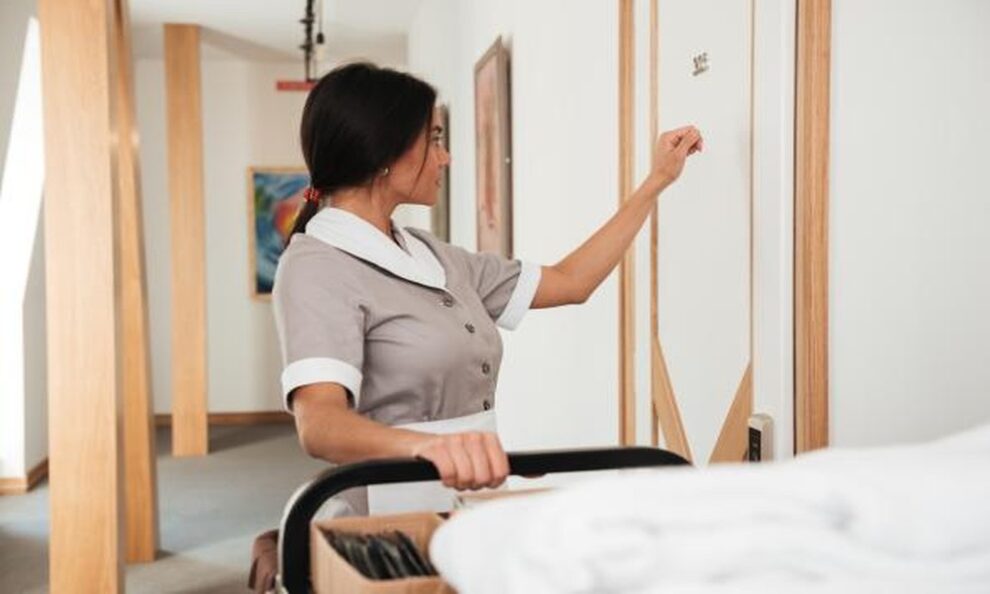

Manual Handling Hospitality training teaches hospitality staff safe techniques for lifting, carrying, and moving objects to prevent musculoskeletal injuries. This training matters because hospitality workers regularly lift trays, stock, luggage, and furniture, making them vulnerable to back strain and joint injuries. Similarly, Manual Handling for Nurses addresses the unique risks healthcare workers face when repositioning patients. Both programs combine theory and practical demonstration, ensuring staff understand correct posture, lifting mechanics, and risk assessment. Proper training reduces workplace injuries, lowers absenteeism, and supports compliance with occupational health regulations across Ireland and beyond.
Quick Answer Section
Manual Handling Hospitality and Manual Handling for Nurses are workplace safety training programs covering correct lifting, carrying, and patient-handling techniques. Key facts: courses typically last 2-4 hours, combine theory with hands-on practice, and require periodic refreshers. Benefits include fewer injuries, reduced sick leave, and legal compliance. This matters because manual handling injuries remain among the leading causes of workplace absence in hospitality and healthcare sectors.
Understanding Manual Handling Training
Manual handling refers to any activity requiring a person to lift, lower, push, pull, carry, or move an object using physical effort. In hospitality, this includes moving stock, furniture, luggage, and equipment. In healthcare, it extends to repositioning, transferring, and assisting patients.
The training works by teaching participants body mechanics principles, such as keeping loads close to the body, bending knees rather than the back, and avoiding twisting movements. Trainers also cover risk assessment techniques, helping staff identify hazardous tasks before attempting them.
This matters because incorrect handling techniques are a major contributor to musculoskeletal disorders, which represent a significant proportion of workplace injury claims. Industry relevance spans hotels, restaurants, care homes, hospitals, and warehousing, anywhere physical tasks form part of daily duties.
Key Benefits of Manual Handling Training
- Reduced injury rates – Staff trained in correct techniques are less likely to suffer back, shoulder, or joint injuries. For example, a hotel housekeeping team trained in proper lifting reported fewer strain-related absences within months.
- Lower insurance and compensation costs – Fewer workplace injuries translate to reduced employer liability claims, a tangible financial benefit for businesses managing tight margins.
- Improved staff confidence – Employees who understand safe techniques feel more capable handling demanding physical tasks, improving morale and retention.
- Regulatory compliance – Training helps employers meet health and safety legislation requirements, reducing the risk of penalties during inspections.
- Better patient and guest outcomes – In healthcare, correctly trained nurses reduce the risk of injury to patients during transfers or repositioning, improving care quality.
- Enhanced workplace culture – A visible commitment to staff wellbeing fosters trust and demonstrates that safety is a genuine priority, not just a checkbox exercise.
- Long-term cost savings – Preventing injuries before they occur is significantly cheaper than managing long-term sick leave, replacement staffing, and rehabilitation.
Step-by-Step Process
- Assess the task – Before lifting or moving anything, evaluate the weight, shape, and distance involved, and identify any obstacles.
- Plan the lift – Decide on the safest route, clear pathways, and determine whether assistance or equipment is needed.
- Adopt correct posture – Position feet shoulder-width apart, bend knees, keep the back straight, and grip the load firmly.
- Execute the movement smoothly – Lift using leg muscles, keep the load close to the body, and avoid sudden twisting motions.
- Review and adjust – After completing the task, reflect on whether the technique worked well and whether changes are needed for future tasks.
Important Statistics and Industry Insights
Musculoskeletal disorders remain one of the most commonly reported work-related health issues across European workplaces, with manual handling tasks frequently cited as a contributing factor. Hospitality and healthcare sectors report higher-than-average rates of such injuries due to the physical nature of daily duties.
Industry trends show increasing employer investment in regular refresher training, recognizing that one-off sessions are less effective than ongoing reinforcement. Technology developments include the use of mechanical aids, such as hoists and trolleys, which reduce reliance on manual lifting altogether. Consumer and workforce behavior also reflects growing awareness, with employees increasingly expecting employers to provide adequate safety training as part of their duty of care.
Common Mistakes to Avoid
- Skipping risk assessments – Staff often rush tasks without evaluating risks first, leading to avoidable injuries. Solution: build assessment habits into daily routines.
- Using incorrect lifting posture – Bending from the waist rather than the knees places excessive strain on the lower back. Solution: reinforce correct posture through practical demonstrations.
- Attempting tasks alone – Employees may try to handle heavy or awkward loads without help, increasing injury risk. Solution: encourage team lifting for larger items.
- Neglecting refresher training – Skills and awareness fade over time without reinforcement. Solution: schedule periodic refresher sessions.
- Ignoring mechanical aids – Some staff avoid using available equipment due to time pressure. Solution: integrate equipment use into standard procedures.
Expert Recommendations
Best practice involves combining theoretical training with practical, hands-on demonstrations tailored to specific workplace environments. Employers should ensure training aligns with recognized occupational health and safety standards relevant to their sector and jurisdiction.
Long-term success depends on embedding manual handling awareness into daily operations rather than treating it as a one-time compliance task. Regular refreshers, supervisor reinforcement, and accessible mechanical aids all contribute to sustained safety improvements.
Frequently Asked Questions
What is Manual Handling Hospitality training?
It’s training designed for hospitality staff covering safe techniques for lifting, carrying, and moving items commonly encountered in hotels, restaurants, and similar settings.
How long does Manual Handling for Nurses training typically take?
Most courses run between two and four hours, combining classroom instruction with practical demonstration.
Who needs manual handling training?
Anyone whose role involves lifting, carrying, or moving objects or people, including hospitality staff, nurses, healthcare assistants, and warehouse workers.
How often should refresher training occur?
Refreshers are generally recommended periodically, often annually, though this can depend on workplace risk assessments and regulatory guidance.
What topics are covered in the training?
Topics typically include body mechanics, risk assessment, correct lifting techniques, use of mechanical aids, and specific scenarios relevant to the workplace.
Is manual handling training legally required?
Many jurisdictions require employers to provide adequate training where manual handling tasks form part of an employee’s role, as part of broader occupational health obligations.
Can manual handling injuries be completely prevented?
While no training eliminates all risk, proper technique and risk awareness significantly reduce the likelihood of injury.
What’s the difference between hospitality and nursing manual handling training?
Hospitality training focuses on objects like luggage, trays, and furniture, while nursing training emphasizes safe patient handling, transfers, and repositioning techniques.
Do small businesses need this training too?
Yes, any business where staff perform lifting or moving tasks can benefit, regardless of size.
Where can I find manual handling training providers?
Providers can typically be found through occupational health organizations, accredited training companies, or industry associations relevant to your sector.
Conclusion
Manual Handling Hospitality and Manual Handling for Nurses training programs play a vital role in protecting employees from preventable injuries while supporting compliance and operational efficiency. The main takeaway is that consistent, practical training combined with regular refreshers creates lasting safety improvements. Looking ahead, increased adoption of mechanical aids and growing workforce expectations around safety will likely continue shaping how organizations approach manual handling training.






Add Comment